
Why Flying in Grand Junction Prepares You for Any Aviation Challenge

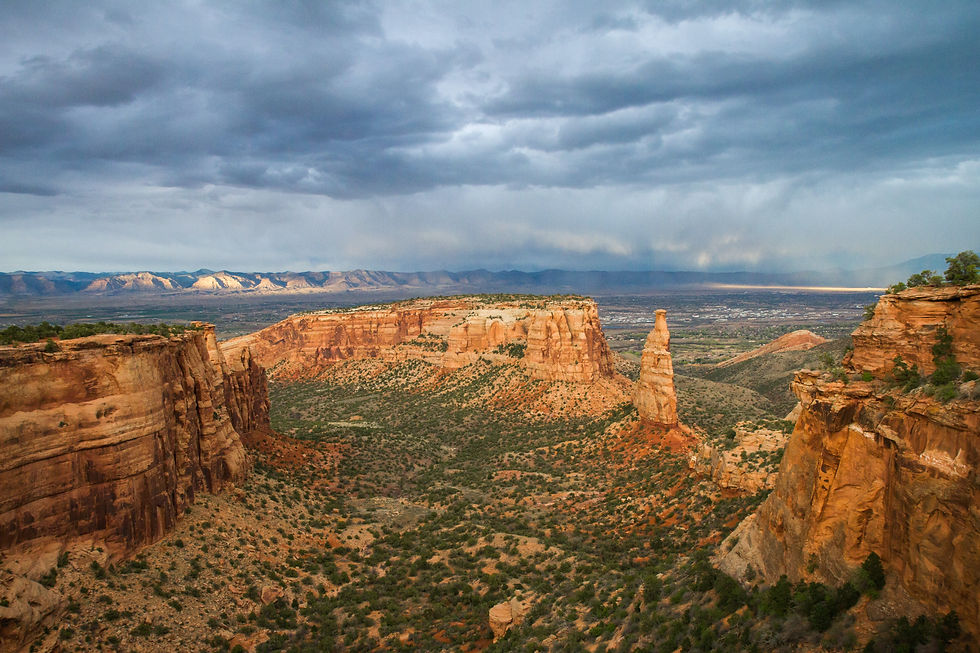
Flying is more than just a journey between two locations. It’s about conquering the skies, mastering weather patterns, and refining your skills as a pilot. Grand Junction, Colorado, provides an exceptional backdrop for learning, with its fluctuating weather, varied terrain, and distinct seasons that challenge pilots to grow. This unique environment makes it an outstanding training ground for both novice and experienced aviators.
In this blog post, we will explore how the weather in Grand Junction plays a crucial role in shaping pilots. We'll focus on dynamic conditions, mountain meteorology, and the all-season experience that together contribute to a pilot’s readiness for any challenge.
Dynamic Conditions Build Skill
Clear mornings can quickly change into thermal afternoons with strong winds descending from the mountains. Each flight in this area presents new challenges, making it an exciting environment for pilots.
Pilots often find themselves adapting their flight plans on the fly based on real-time weather updates. This constant need for adjustment sharpens their problem-solving skills. According to a study from the Aircraft Owners and Pilots Association, 65% of well-trained pilots credit their weather adaptability skills for their success in emergency situations.
Mountain Meteorology 101
Flying among Colorado's towering mountains introduces pilots to the fundamental concepts of mountain meteorology. The region’s geography leads to rapidly changing microclimates that pilots must navigate.
A major challenge is understanding density altitude. As altitude increases, the density of the air decreases, impacting aircraft performance. For instance, a pilot operating at 8,000 feet may find their aircraft needs 20% more runway for takeoff compared to sea level. Learning to calculate and adjust for density altitude is essential for safe operations in mountainous areas.
Additionally, unique valley winds can create unexpected turbulence. Training in Grand Junction gives pilots practical experience in anticipating these conditions, developing strategies to navigate through or around them. This hands-on exposure builds confidence and prepares them for real-world flying scenarios they may face later in their careers.
All-Season Experience
An outstanding feature of training in Grand Junction is the chance to fly in all four seasons. Each season brings its own weather patterns and flying challenges, providing a well-rounded training experience.
In the spring, pilots must deal with variable weather, including potential thunderstorms. This teaches them to quickly assess and respond to changing conditions. Summer offers a chance to practice amid warm temperatures and advantageous thermals, perfect for cross-country flights.
As fall arrives, pilots find crisp air and clear skies, ideal for honing navigation skills. Winter brings a new set of challenges: managing cold weather flying, and dealing with ice and snow conditions. This year-round training ensures pilots are ready for diverse flying conditions, making them versatile aviators.
Train in Weather that Teaches
The weather in Grand Junction goes beyond just being a backdrop; it is a major part of the learning process. Every flight is an opportunity for growth. The blend of dynamic conditions, mountain meteorology, and seasonal variations creates a rich environment for pilots.
At Colorado Flight Center, instructors emphasize the impact of weather on flight operations. They craft real-world scenarios that push students to think critically and make informed choices. This approach guarantees that students not only learn to fly but also understand the complex nature of aviation weather.
Real-World Readiness from Day One
Training in Grand Junction equips pilots with the knowledge needed to tackle any aviation challenge. The diverse weather conditions and geographical features prepare them for real flight scenarios they will encounter later.
Pilots learn to manage turbulent mountain winds, understand the implications of density altitude, and adapt flight plans as weather changes. A survey by the National Pilot Safety Foundation found that pilots who trained in varied conditions were 30% better at handling pressurized situations during flights.
This real-world readiness is critical for anyone pursuing a career in aviation, whether aiming to become a commercial pilot, a flight instructor, or specializing in other areas.
Pathway to Becoming a Skilled Aviator
Flying in Grand Junction is not just a training experience; it’s a transformative journey for aspiring pilots. The combination of dynamic weather, mountain meteorology, and comprehensive seasonal exposure builds a solid foundation for understanding aviation complexities.
By embracing the challenges posed by Grand Junction’s weather, pilots develop critical skills that will benefit them throughout their careers. Whether you are just starting out or have experience flying, training in this unique setting will undoubtedly prepare you for any aviation challenge ahead.
If you’re ready to elevate your flying skills, consider training in Grand Junction with Colorado Flight Center. Experience the weather that teaches and embark on your journey to become the pilot you aspire to be.


Comments