
Essential Tips to Prepare for Your First Solo Flight

That moment your instructor steps out and you’re left alone in the cockpit is truly unforgettable. The excitement of taking to the skies by yourself is a vital milestone for every pilot. However, to ensure that this moment is both exhilarating and safe, there are crucial elements to consider. This guide will help you prepare for your first solo flight, giving you the confidence and knowledge needed to soar.

The Solo Mindset: Confidence Built on Preparation, Not Bravado
Cultivating the right mindset is essential for a successful solo flight. Confidence should come from thorough preparation instead of just bravado.
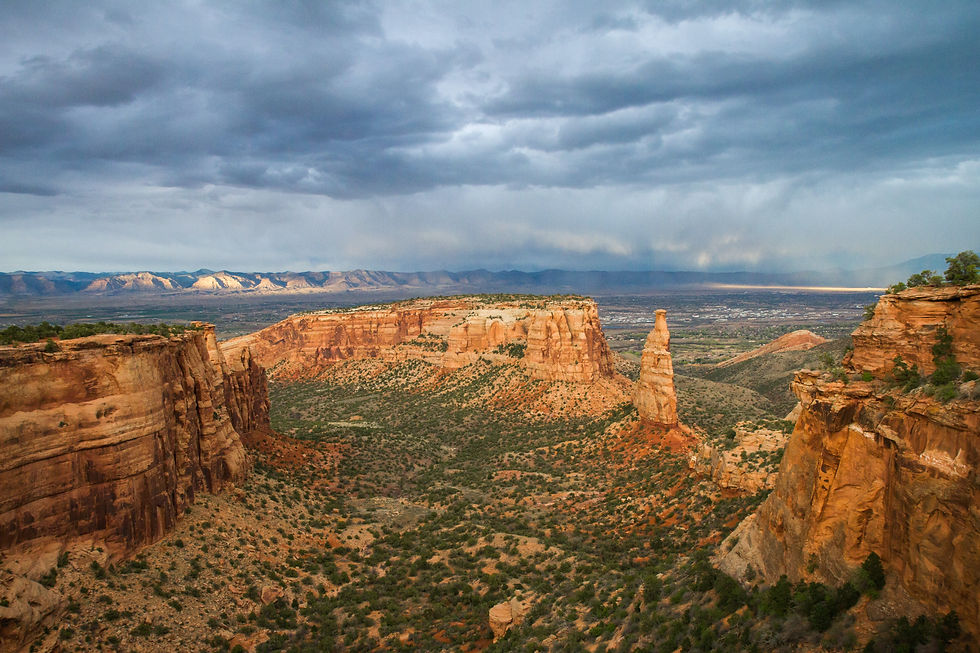
Familiarize yourself with your aircraft, particularly if you're flying a smaller general aviation aircraft like the Cessna 182 in the challenging mountain flying environment of western Colorado. Understanding your aircraft's systems is crucial; V Speeds, Emergency Procedures, and Cockpit Flow familiarity will help you be confident and safe.
Key Considerations for the Cessna 182 in Mountain Flying
Density Altitude Awareness: In western Colorado, the elevation can significantly impact your aircraft's performance. Familiarize yourself with how density altitude affects engine performance, climb rates, and stall speeds. Always calculate your aircraft's performance based on current conditions.
Weather Considerations: Mountain weather can change rapidly. Review the local weather patterns and be prepared for turbulence and wind shear. Always have an exit strategy and alternative landing sites in mind.
Emergency Procedures: Review emergency protocols specific to the Cessna 182, such as engine failure procedures. Understanding how to handle a forced landing in mountainous terrain is crucial, as options may be limited.
Navigation Skills: In the rugged terrain of western Colorado, visual navigation can be challenging. Familiarize yourself with the terrain, landmarks, and potential hazards. Use GPS and sectional charts effectively to maintain situational awareness.
By mastering these aspects of your Cessna 182 and being aware of the unique challenges of mountain flying, you will enhance your safety and confidence in the skies of western Colorado.
Visualization techniques can also be helpful. Chair Flying - Picture yourself executing each phase of the flight, from pre-flight checks to landing. Research shows that mental practice can improve performance by up to 20%. This mental rehearsal will increase your confidence and help you stay calm when that moment comes.
Checklist Discipline: The Pre-Flight Ritual That Grounds Your Nerves
Following a checklist is one of the most important aspects of flying. This practice ensures safety and helps calm your nerves before takeoff.
Create a thorough pre-flight checklist that covers all necessary steps, such as:
Inspecting the aircraft
Reviewing weather conditions
Confirming fuel levels
Conducting a flight plan briefing
Following a structured checklist allows you to concentrate on specific tasks and alleviates anxiety. Each completed step reinforces your readiness and enhances your sense of control.
What Instructors Look For: How We Know You’re Truly Ready
Your instructor's assessment is crucial in determining your readiness for solo flight. They evaluate various aspects of your flying skills, decision-making abilities, and overall comprehension of flying principles.
Key areas of their evaluation include:
Flight Maneuvers: Your proficiency in executing essential maneuvers like takeoffs and landings. You should be able to demonstrate smooth control and proper technique.
Situational Awareness: Your understanding of the airspace, as well as the traffic around you, and your ability to read weather conditions.
Emergency Procedures: Your readiness to handle emergencies. For instance, if you lose an engine, knowing to establish the best glide speed can make a significant difference.
Take any feedback from your instructor seriously. They want you to succeed and provide insights that can improve your skills. If they indicate you’re ready, trust that their judgment is based on experience and training.
Post-Flight Tradition: Why Signing the Shirt Matters
After completing your first solo flight, you’ll likely celebrate in a time-honored aviation tradition: signing the shirt. This act symbolizes your accomplishment and marks a pivotal milestone in your flying journey.
This tradition not only recognizes your achievement but also links you to the larger aviation community. For many, this moment becomes a cherished memory they revisit throughout their flying careers.
Your Path to Success
Preparing for your first solo flight can be exciting yet nerve-wracking. By adopting the right mindset, practicing checklist discipline, understanding instructor expectations, and embracing aviation traditions, you are well on your way to a successful solo experience.
Remember, every pilot has experienced the same nerves before their first solo flight. With dedicated preparation, that moment will come sooner than you think.
Now is the time to book your next lesson and take a significant step toward achieving your aviation dreams!


Comments