
Aerial Adventures: Exploring the Colorado National Monument from Above
Flying over the Colorado National Monument offers a unique experience that few get to enjoy. For pilots and aviation enthusiasts, the chance to see this stunning landscape from the cockpit is unforgettable. The dramatic cliffs, deep canyons, and winding roads reveal a side of the monument that ground-level visits cannot match. This post shares insights from a pilot’s perspective, highlighting what makes grand junction flying so special and how to make the most of your aerial adventure.
The Allure of Flying Over the Colorado National Monument
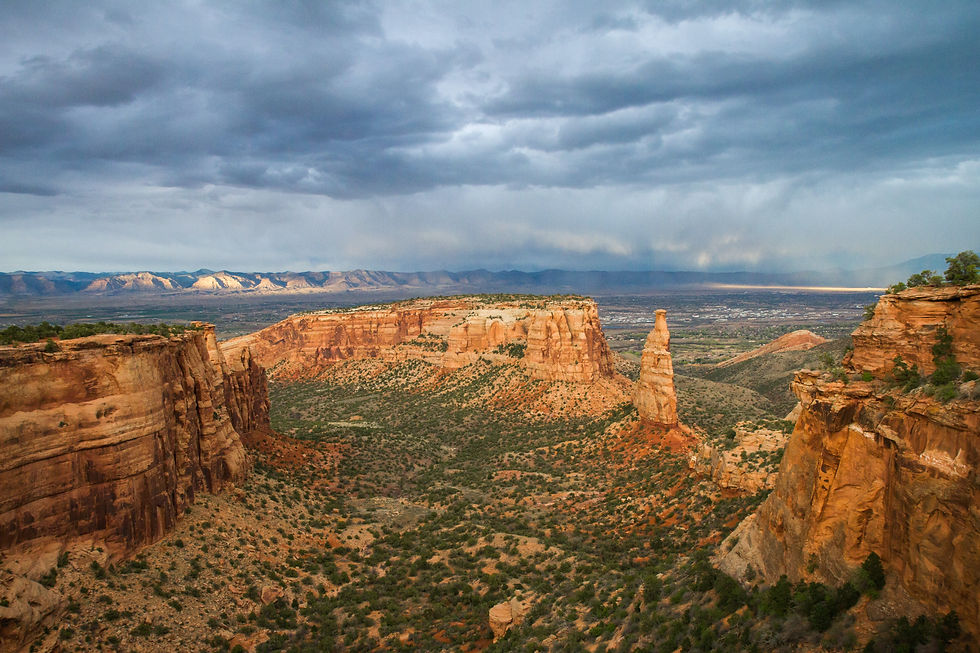
The Colorado National Monument, located near Grand Junction, Colorado, is known for its towering red rock formations and sweeping vistas. From the air, these features take on new dimensions. Pilots flying in this region witness the monument’s rugged beauty framed by the vast Colorado Plateau.
Flying here means navigating through a landscape shaped by millions of years of erosion and geological activity. The monument’s sheer sandstone cliffs rise sharply from the valley floor, creating dramatic contrasts of color and shadow. For pilots, this terrain offers both a challenge and a reward.
Grand junction flying is popular because the area combines accessible airspace with breathtaking scenery. The local weather often provides clear skies and good visibility, ideal for sightseeing flights. Pilots can plan routes that showcase the monument’s highlights while enjoying smooth flying conditions.
Preparing for Your Flight
Before taking off, pilots should prepare carefully. Flying over the Colorado National Monument requires attention to altitude, weather, and airspace regulations.
Check weather conditions: Mountain weather can change quickly. Look for clear skies and stable winds to ensure a safe and enjoyable flight.
Plan your route: The monument covers about 32,000 acres, so choose a flight path that covers key landmarks like Independence Monument, Devil’s Kitchen, and the Monument Canyon.
Altitude awareness: Flying at the right altitude is crucial. Too low, and you risk turbulence from canyon winds; too high, and you miss the details that make the monument special.
Communicate with ATC: Grand Junction Regional Airport is nearby, so pilots must stay in contact with air traffic control to coordinate traffic and avoid restricted areas.
Student pilots can benefit from flying with an instructor familiar with the area. Experienced pilots often share tips on how to handle the unique challenges of canyon flying and how to spot the best views.
What Pilots See from the Cockpit
From the pilot’s seat, the Colorado National Monument reveals its full grandeur. The eye-level view from the cockpit offers a dynamic perspective that changes with every turn.
Monument Canyon: This deep canyon cuts through the heart of the monument. Pilots see the winding road below, flanked by towering rock walls that glow in the sunlight.
Independence Monument: A slender spire of sandstone, this landmark stands out sharply against the sky. It’s a favorite photo spot for pilots flying overhead.
Devil’s Kitchen: A cluster of hoodoos and rock formations that look like a natural fortress. Flying around this area gives a sense of scale and ruggedness.
Colorado River: The river snakes through the valley, providing a natural boundary to the monument. Pilots often follow the river’s path to navigate and enjoy the changing scenery.
The colors are striking: reds, oranges, and browns of the rocks contrast with the green vegetation and blue sky. Shadows cast by the cliffs add depth and texture to the view. For pilots, this visual feast is a reminder of nature’s power and beauty.
Tips for Pilots Flying in the Area
Flying near the Colorado National Monument requires skill and preparation. Here are some practical tips for pilots planning a trip:
Use sectional charts: These provide detailed information about terrain, airspace, and landmarks.
Monitor density altitude: The high elevation affects aircraft performance. Pilots should calculate takeoff and landing distances carefully.
Watch for turbulence: Canyon winds can create turbulence, especially in the afternoon. Morning flights often offer smoother conditions.
Bring a camera: Many pilots enjoy capturing photos from the cockpit. A good camera with a polarizing filter helps reduce glare and enhance colors.
Respect wildlife and park rules: Avoid low passes that disturb animals or violate park regulations.
Grand junction flying offers a gateway to many other scenic flights in western Colorado. Pilots can extend their adventure by exploring nearby areas like the Book Cliffs or the Grand Mesa.
The Experience of Flying as a Pilot
For pilots, flying over the Colorado National Monument is more than sightseeing. It’s a chance to connect with the landscape in a way that few others can. The responsibility of navigating safely through challenging terrain adds to the sense of accomplishment.
Many pilots describe the flight as peaceful yet exhilarating. The quiet hum of the engine, the panoramic views, and the feeling of freedom combine to create a memorable experience. Flying here also sharpens skills in mountain flying, navigation, and weather assessment.
Student pilots often find this area a valuable training ground. Instructors use the monument’s terrain to teach techniques for handling altitude changes, crosswinds, and visual navigation. The experience builds confidence and prepares pilots for more advanced flying.
Planning Your Next Flight
If you are a pilot or aviation enthusiast looking to explore the Colorado National Monument from the air, reach out to us today!
Flying over the Colorado National Monument is a rewarding experience that combines natural beauty with the thrill of flight. Whether you are a seasoned pilot or a student, the views and challenges here will leave a lasting impression.


Comments